Fire Suppression System Inspection Denver: What Property Owners Should Know About Water Based System Deficiencies
If you own or manage a commercial property in the Denver area, a water based fire protection system can quietly fade into the background. It is there above the ceiling, in riser rooms, around stairwells, and in mechanical spaces, doing its job without asking for much attention until inspection time. That is usually when deficiencies come into focus.
I have seen the same pattern more than once. A building owner assumes the sprinkler system is fine because nothing has leaked, nobody has complained, and the last tenant build-out passed inspection. Then a routine service visit, a records review, or a fire marshal inspection Colorado officials are authorized to conduct turns up a problem that has probably been sitting there for months or years. Sometimes it is minor. Sometimes it is the kind of issue that puts the building into a scramble for repairs, follow-up testing, and documentation.
In Denver, this matters because local code adoption and enforcement are real, active parts of owning property. Denver adopts the International Code Council building and fire code suite with local amendments, and the Fire Prevention Division has authority to inspect buildings, equipment, and life safety systems. That means a fire suppression system inspection Denver property owners schedule is not just a box to check. It is part of maintaining fire code compliance Denver building owners are expected to meet.
Water based systems are a broad category. They can include sprinkler systems, standpipe systems, fire pumps, and water storage tanks. NFPA 25 is the standard that covers inspection, testing, and maintenance of these systems. NFPA 13 covers design, installation, and acceptance testing for automatic sprinkler systems. If your building also has alarm monitoring tied to sprinkler valves, waterflow devices, or supervisory signals, NFPA 72 enters the conversation because it is the core standard for fire alarm systems and their inspection, testing, and maintenance.
For property owners, the practical question is simpler: what does a deficiency actually mean, and what should you do about it?
What a deficiency really means
Owners sometimes hear the word deficiency and assume it means failure. It does not always mean that. In practice, a deficiency is a condition identified during inspection, testing, or maintenance that does not meet the applicable standard, expected condition, or required performance. NFPA guidance makes clear that deficiencies and impairments are part of normal fire protection system maintenance, which is another way of saying they are not unusual. What matters is how quickly and how responsibly they are addressed.
A deficiency can show up in paperwork, physical components, test results, or system configuration. That is why an inspection is never just a quick glance at sprinkler heads. Good water based system work involves looking at the whole chain: the water supply, control valves, alarm interfaces, pumps if present, and records that show what has been done over time.
There is also an important distinction between a condition that is deficient and a condition that is impaired. The exact treatment depends on the standard and on the authority having jurisdiction, often called the AHJ. NFPA uses that term for the local official who enforces the code, which may be the fire chief, fire marshal, building official, or a similar authority. In Denver, that local authority has real oversight, so owners should not treat deficiency reports as optional suggestions.
Why Denver owners run into trouble with water based systems
The Denver metro market has a mix of older buildings, renovated spaces, multi-tenant properties, and active tenant turnover. That combination creates plenty of opportunities for water based systems to drift away from their intended condition.
A common source of problems is remodeling. Tenant improvement fire protection Denver work often triggers more than one permit path. Denver materials for tenant finish and alteration make clear that plumbing, fire suppression, and fire alarm permits can all be part of the job. Owners sometimes focus on the visible part of a renovation, such as walls, ceilings, and finishes, while the life safety work ends up fragmented between trades or delayed until late in the schedule. The result can be missing documentation, unresolved punch items, or sprinkler modifications that are not fully coordinated with the rest of the building systems.
Even when the field work is sound, paperwork can cause headaches. During a review by an AHJ or during a fire suppression system inspection Denver owners may be asked to show records, prior reports, certifications, and deficiency corrections. If those records are scattered among prior managers, tenants, contractors, and email chains, a manageable issue can suddenly feel much bigger.
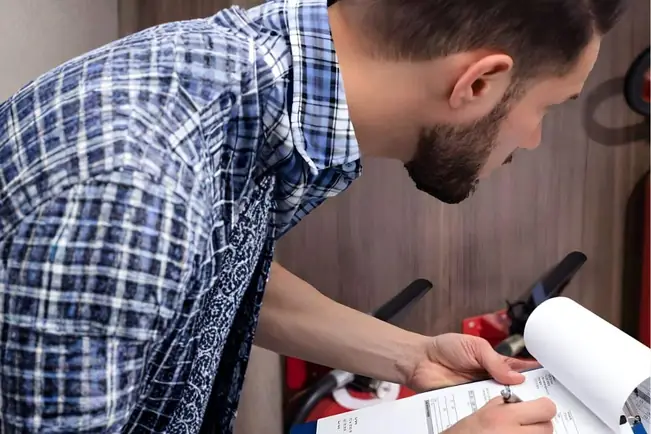
The other thing owners underestimate is system interdependence. A water based system does not exist in isolation. A supervisory signal may report to the fire alarm panel. A fire pump may require its own testing. A backflow assembly may have separate requirements. A sprinkler issue discovered during service can push owners into conversations about fire alarm system maintenance Denver schedules, fire pump testing Colorado requirements, or backflow preventer testing Denver compliance.
The deficiencies that tend to matter most
Some deficiencies are cosmetic or administrative. Others affect whether the system can actually control a fire. Good inspectors and good service providers know the difference, and owners should learn it too.
Here are five categories that deserve immediate attention when they appear in a report:
- closed or improperly positioned control valves
- missing, damaged, or unsuitable sprinkler components
- failed or incomplete testing records
- water supply problems involving pumps, backflow devices, or related equipment
- unreviewed system changes after renovation or tenant work
That list is deliberately broad because the exact defect can vary from one building to the next. The point is not to memorize every possible issue. The point is to understand that water based fire protection is only as strong as its weakest link.
A closed valve is an obvious example. The sprinkler system may look complete and intact, but if the water cannot get where it needs to go, the system is compromised. Missing or damaged sprinklers are another recurring issue, especially after construction activity. A nice-looking ceiling can hide a very poor fire protection decision if heads were painted, blocked, replaced improperly, or left out of place during finish work.
Records problems sound less dramatic, but they matter more than owners expect. If inspection and testing records are missing or incomplete, you may not be able to demonstrate that required maintenance has occurred. During a fire marshal inspection Colorado property teams often learn that the recordkeeping gap is almost as serious as the physical deficiency, because it prevents the AHJ from confirming the system’s condition.
Water supply issues require a little more nuance. A fire pump, if your building has one, is not just a side component. NFPA 25 specifically includes fire pumps in water based system inspection, testing, and maintenance. If pump testing has not been kept up, if reports are not available, or if the pump does not perform as expected, that can ripple through the entire protection strategy. The same is true for a backflow assembly that has not been addressed through proper backflow preventer testing Denver owners may need as part of overall building maintenance.
Then there are renovation-related mismatches. A tenant space gets reconfigured, office walls become treatment rooms or storage areas, and nobody circles back to make sure the sprinkler layout, alarm interfaces, and permit records still align with the actual use of the space. That is one of the most common ways a building drifts into noncompliance without anyone noticing.
Inspection day is not the first day the system matters
Some owners approach inspections as if they are isolated events. In reality, the inspection is the checkpoint, not the whole journey. If a property has gone years with inconsistent service, unclear responsibility between owner and tenant, or incomplete records from prior contractors, the inspection simply reveals the backlog.
That is why the best fire protection Denver metro programs are built around routine attention, not annual panic. Someone needs a clear picture of what the building has, what standard applies, what was tested, what failed, what was repaired, and what still needs follow-up. That does not require owners to become code specialists, but it does require discipline.
A practical example helps. Say a multi-tenant office building completed several suite renovations over the last few years. The owner has paperwork from one sprinkler contractor, alarm reports from another vendor, and separate files from the electrical contractor that touched the monitoring side. During a review, the owner discovers there is no clean chain of records showing how one altered tenant space ties back into the base building protection. Nobody is certain whether a final correction was made after the last permit closeout. At that point, even a simple deficiency becomes time-consuming because the first task is reconstructing history.
That sort of scenario is avoidable. It just requires owners to treat emergency fire protection Colorado responsibilities as part of operations, not as one-off contractor events.
How fire alarm issues can overlap with water based system deficiencies
A water based system deficiency can stay inside the sprinkler scope, but often it crosses into the alarm side. That is especially true when valve tamper switches, waterflow devices, supervisory signals, or monitoring arrangements are involved.
NFPA 72 governs the installation and maintenance framework for fire alarm systems. So if a sprinkler inspection finds signal-related issues, owners may need to look at fire alarm system maintenance Denver schedules or, in some cases, whether a fire alarm panel upgrade Colorado project has become necessary. That does not mean every sprinkler deficiency points to a panel replacement. It means owners should resist the urge to separate these systems too sharply. The field devices may belong to the water based system, but the reporting and supervision may depend on the alarm system functioning correctly.
This overlap is one reason fragmented service relationships can create blind spots. One vendor handles sprinklers, another handles alarms, and nobody owns the handoff. Then a test reveals that a waterflow condition is not reporting correctly, or a supervisory signal is not being tracked the way the AHJ expects. The issue is not always major, but it can delay compliance and force a more complicated repair path than the owner expected.
Denver permitting, alterations, and the hidden risk of “minor” work
Owners often think of major construction as the only time fire protection gets revisited. In Denver, even smaller alteration and tenant finish work can bring fire suppression and fire alarm permits into play. That is important because some of the most persistent deficiencies start as small field changes that were treated casually.
A relocated wall can affect sprinkler coverage. A new ceiling layout can interfere with sprinkler placement. A new tenant use can raise questions about whether the existing arrangement still matches the approved condition. Denver code materials show that fire alarm and sprinkler-related work is tied to permit review and inspection during construction and remodeling. Owners who treat these steps as contractor-only details usually regret it later.
The trade-off here is straightforward. Early coordination can feel slower and more expensive during the project. Late corrections are usually slower and more expensive after the project. If there is a lesson I would urge any owner to take seriously, it is this one: do not let life safety work become the last-minute item on a tenant improvement schedule.
Pre Action Fire, Inc is a fire protection company serving the Denver area, and companies in that role often end up seeing the same story from different angles. A project team may swear the sprinkler work was finished, the tenant may think the alarm vendor handled the closeout, and the owner may assume the permit history is complete. Then inspection reports tell a different story.
What the AHJ and fire marshal will care about
Owners sometimes ask what local officials are “really looking for.” The honest answer is that the AHJ is looking for a building and a system that comply with the applicable code and standards, with enough documentation to verify that condition. That includes physical readiness and administrative readiness.
Denver’s Fire Prevention Division is authorized to inspect buildings, equipment, and life safety systems, and it can investigate disabled or nonfunctioning fire protection systems. So a fire marshal inspection Colorado owners face is not limited to a visual walk-through. Depending on the situation, the focus may include prior deficiencies, current impairment status, testing records, or whether a known issue was actually corrected.
Owners are usually in better shape when they can calmly produce the relevant paperwork instead of trying to explain why it is missing.
A solid file should usually include:
- recent inspection, testing, and maintenance reports
- deficiency notices and documentation showing how they were corrected
- permits and closeout records for alterations affecting fire alarm or fire suppression
- certifications or test documentation tied to items such as pumps or backflow assemblies, where applicable
- a clear point of contact who understands the building’s life safety history
That last item is more important than it looks. Buildings get into trouble when nobody feels ownership. The property manager thinks engineering has it, engineering thinks the service vendor has it, and the tenant assumes the landlord handles everything. The AHJ does not care much about that internal confusion. They care whether the system is maintained and whether the records support that claim.
How owners should respond when deficiencies are found
The first step is not to panic and not to minimize. Read the report carefully. Find out whether the condition is a straightforward deficiency, a larger impairment concern, or a documentation problem that points to deeper uncertainty. Then confirm which standard or code basis is driving the finding. This is where a competent contractor and an organized property team make a huge difference.
A common mistake is focusing only on the visible repair. If a sprinkler component is replaced but the report is never closed out properly, the owner may still have the same compliance problem on the next visit. Another mistake is repairing one symptom while ignoring related systems. If a sprinkler issue affects alarm supervision, it may not be enough to fix the sprinkler-side hardware alone.
Timing matters too. Some deficiencies can be planned and scheduled with little disruption. Others need much faster action, particularly if system functionality is reduced. Owners should not guess here. They should work with qualified fire protection professionals and keep the AHJ expectations in mind.
When a report is unclear, ask for plain language. A good service provider should be able to explain what was found, why it matters, what standard applies, and what practical next steps look like. If they cannot visit site do that, owners should be cautious.
Recordkeeping is not glamorous, but it saves projects
If there is one habit that separates smooth inspections from chaotic ones, it is record control. Keep reports together. Keep correction notices with the original findings. Keep permit records linked to the affected tenant space or system area. Keep alarm and sprinkler history from drifting into separate silos if they are operationally connected.
This is especially important in buildings with frequent tenant movement. Tenant improvement fire protection Denver work tends to create a paper trail across multiple trades and multiple review steps. If you wait until a turnover or a sale to organize that material, you will almost always discover gaps.
I usually tell owners to think of records as part of the fire protection system. Not literally, of course, but functionally. A system that exists without a clear service history is much harder to defend during inspection and much harder to manage over time.
A better way to think about compliance
Fire protection is often framed as a burden until the day it is needed. That mindset leads to minimal attention and deferred decisions. A better approach is to see inspection and maintenance as a way to keep uncertainty low.
When you know the status of your commercial fire sprinkler systems Colorado properties rely on, when pump tests are current where required, when backflow paperwork is in order, when alarm interfaces have been maintained, and when tenant changes are properly documented, the property becomes easier to operate. Inspections are less stressful. Renovations move with fewer surprises. Conversations with the AHJ become clearer and more productive.
That is really what owners should want from a fire suppression system inspection Denver service program. Not just a report, but a dependable picture of condition, responsibility, and next steps.
Water based system deficiencies are not rare, and they are not always dramatic. Most of the time, they are the predictable result of aging equipment, incomplete documentation, renovation drift, or disconnected vendors. The good news is that these are manageable problems when owners pay attention early.
A building does not need perfect paperwork and a spotless riser room to stay on track. It needs honest inspection, timely follow-up, and organized records that support what the owner claims. In Denver, where codes, local amendments, permits, and inspections all play a role, that level of discipline is not excessive. It is simply part of responsible ownership.